
Add 'Sense of place' to your visitor website
As a destination marketer, you know your city or area like the back of your hand. You know where you are in the Netherlands and how to get there. But does the same apply to your future guests? Sometimes a destination is closer than you think! With the "Sense of place" functionality, you help your visitors get a better orientation (literally).
Where is ...
Who still remembers it: The Holiday Maker with Frits Bom. Holidaymakers in sunny destinations were asked to point out their holiday destination on the map. Hilarious all round! For instance, sunny Benidorm was suddenly placed in Russia according to unsuspecting holidaymakers
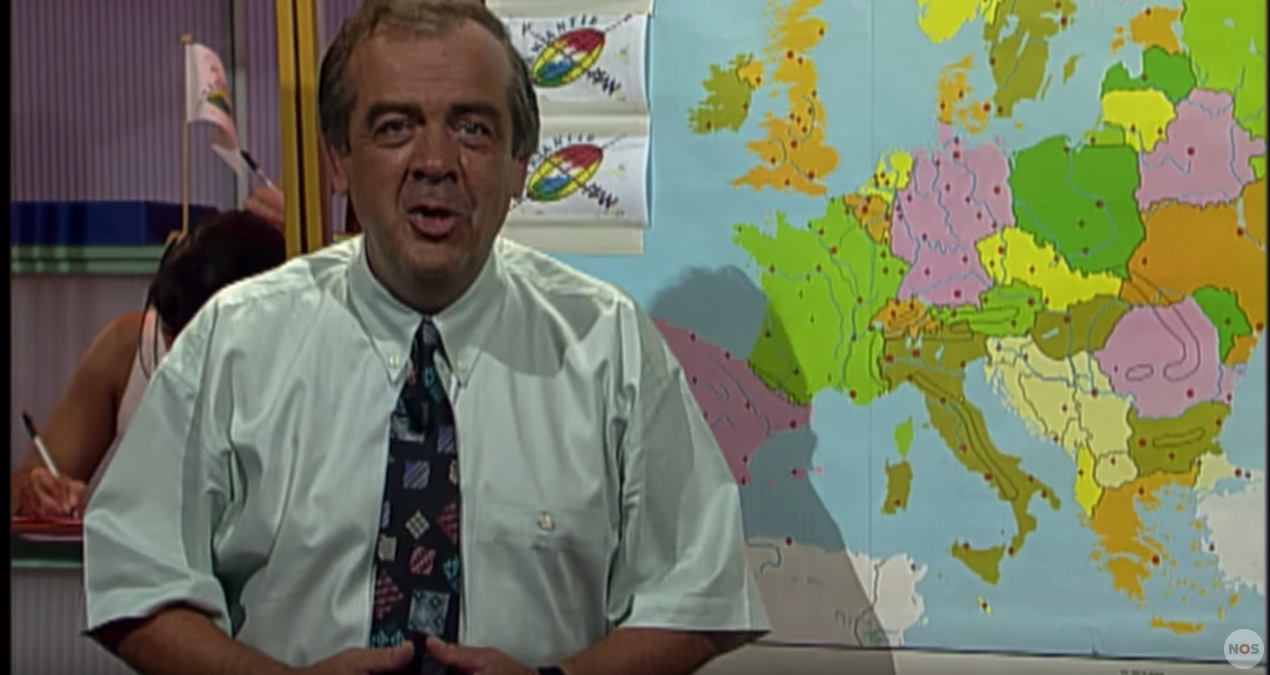
That it makes for great TV viewing is obvious. But it is, of course, worrying for you as a destination marketer. Your guest has no idea where he is.
It is closer than you think...
We all have a distorted view of the world. Just ask any person to draw a map of Europe. Chances are the map will be drawn based on your background and your own perceptions. Most people draw France or Spain a lot bigger than they actually are. Purely because they have probably been on holiday there at some point.
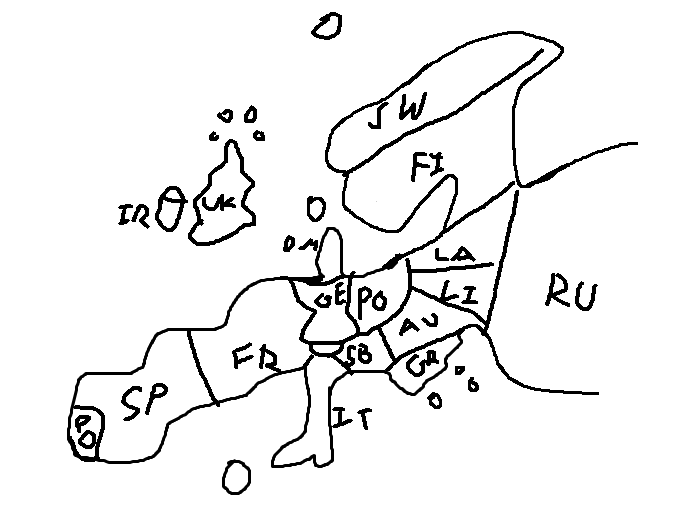
This is also how it works on a "small scale" in the Netherlands. If you live in Utrecht, it feels like a trip to Leeuwarden takes you to the end of the world.
Did you know that a car journey from Utrecht to Leeuwarden is only 1h and 45 minutes? Do you take the train? Then it takes a few minutes longer.
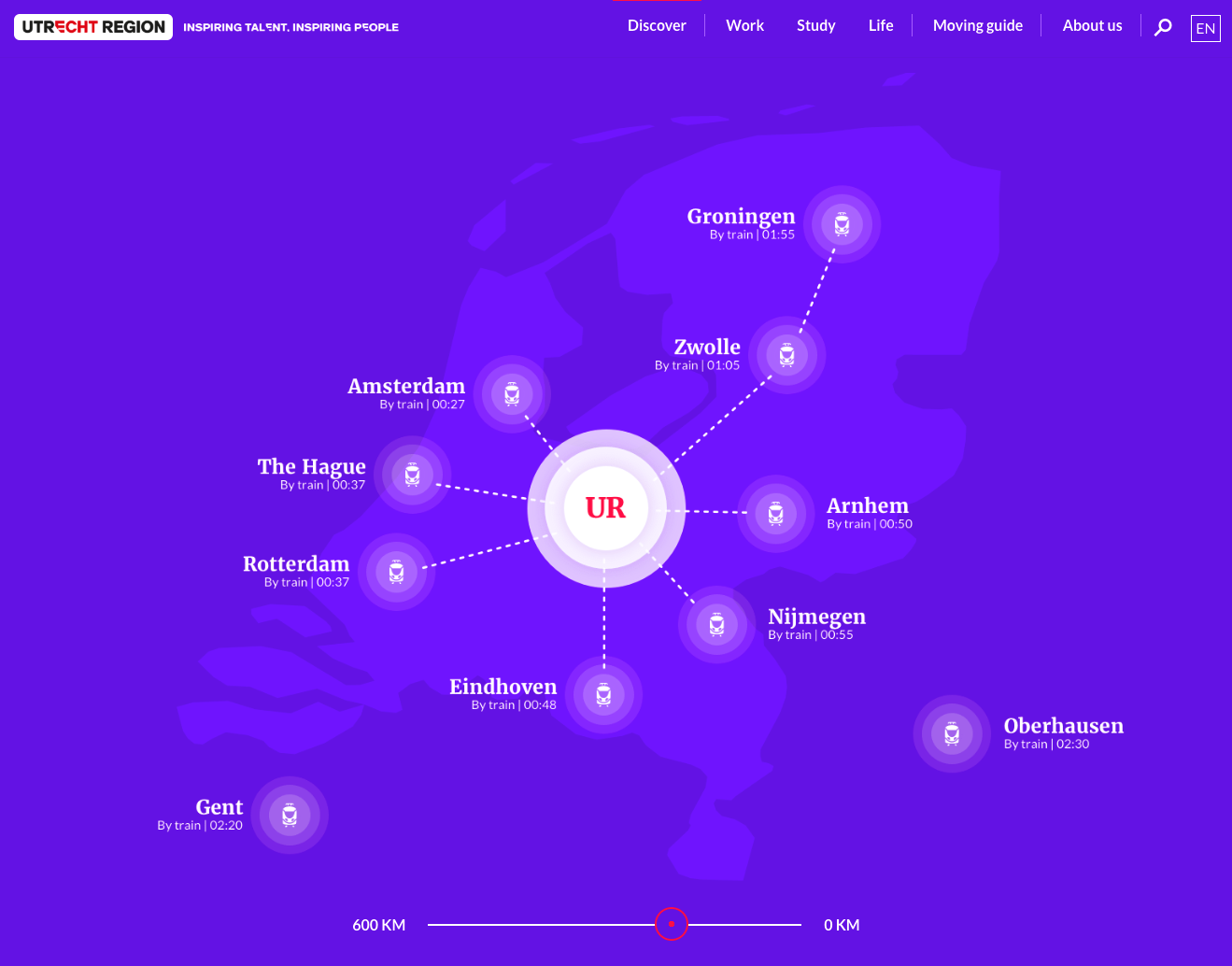
Example of 'Sense of place' at Utrecht Region__
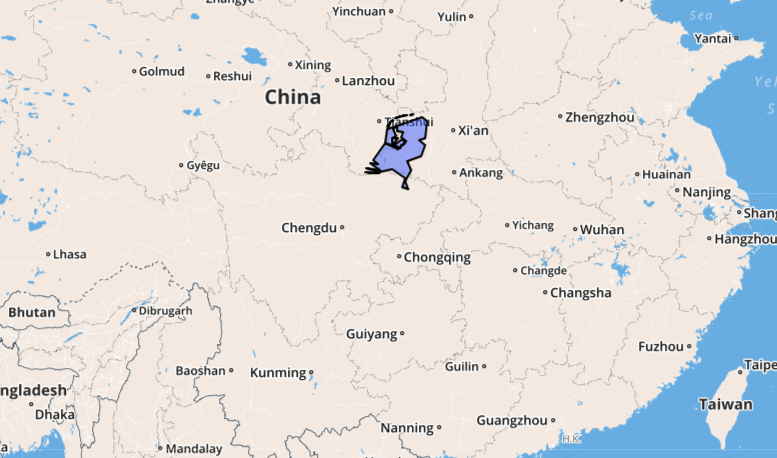
To put this into perspective: you can reach virtually the whole of the Netherlands within 2 hours. We find that quite long... Try plotting that on the experience of a Chinese visitor. Within 2 hours, he won't even leave a big city like Beijing!
Areas in particular sometimes have a hard time of it... The Veluwe, De Maashorst, Oostvaardersplassen, they are names we have all heard at some point. We might even be able to picture them: In the Veluwe live the red deer and wild boars, in the Maashorst run those huge aurochs. And at the Oostvaardersplassen, there is a lot of fuss about the wild horses.
A Utrechtse Heuvelrug has its name, but where are all those other areas located? For a visitor, it is often difficult to orientate...a bit like the saying about the bell and the clapper... And is the time-honoured mnemonic of the TVTAS still taught in topography? How else do we know where the wadden islands are?
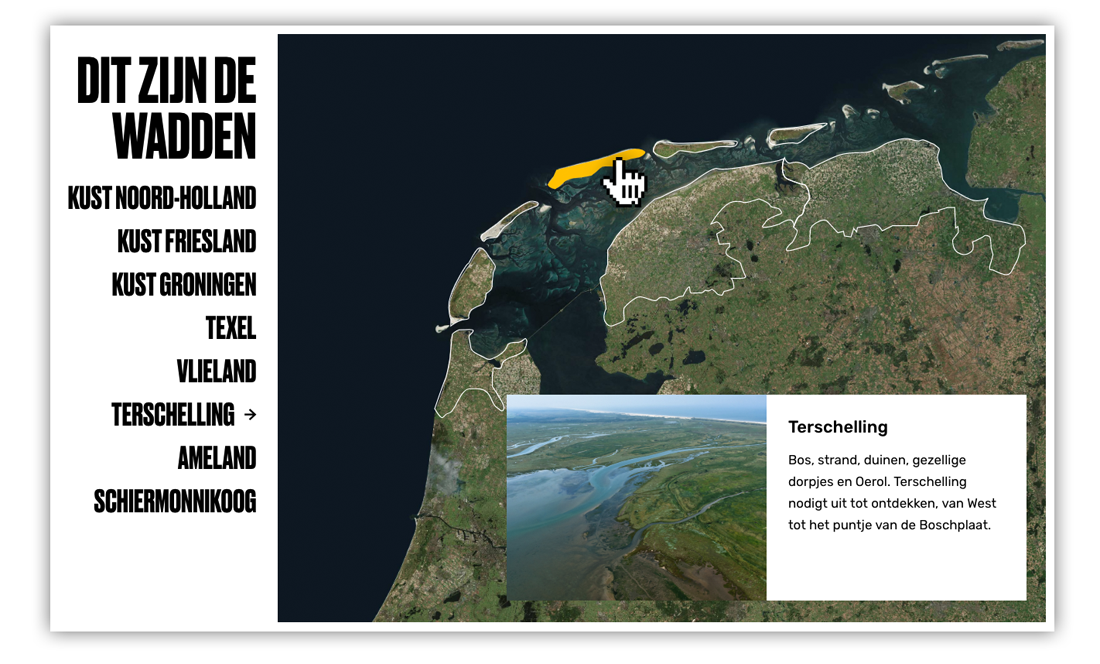
Example of insight into the wadden areas on visitwadden.nl__.
A map greatly helps your visitor to orientate and literally "locate".
Districts: What's in a name?
Countries, regions and cities can all benefit from positioning on the map. But how do you deal with regions and districts?
Districts often have their own atmosphere and identity. Utrecht's "Museum Quarter" will be no surprise what it is known for. But what can you do in Maastricht's "Sphinxkwartier"? Or what is so unique about "De Bergen" in Eindhoven?
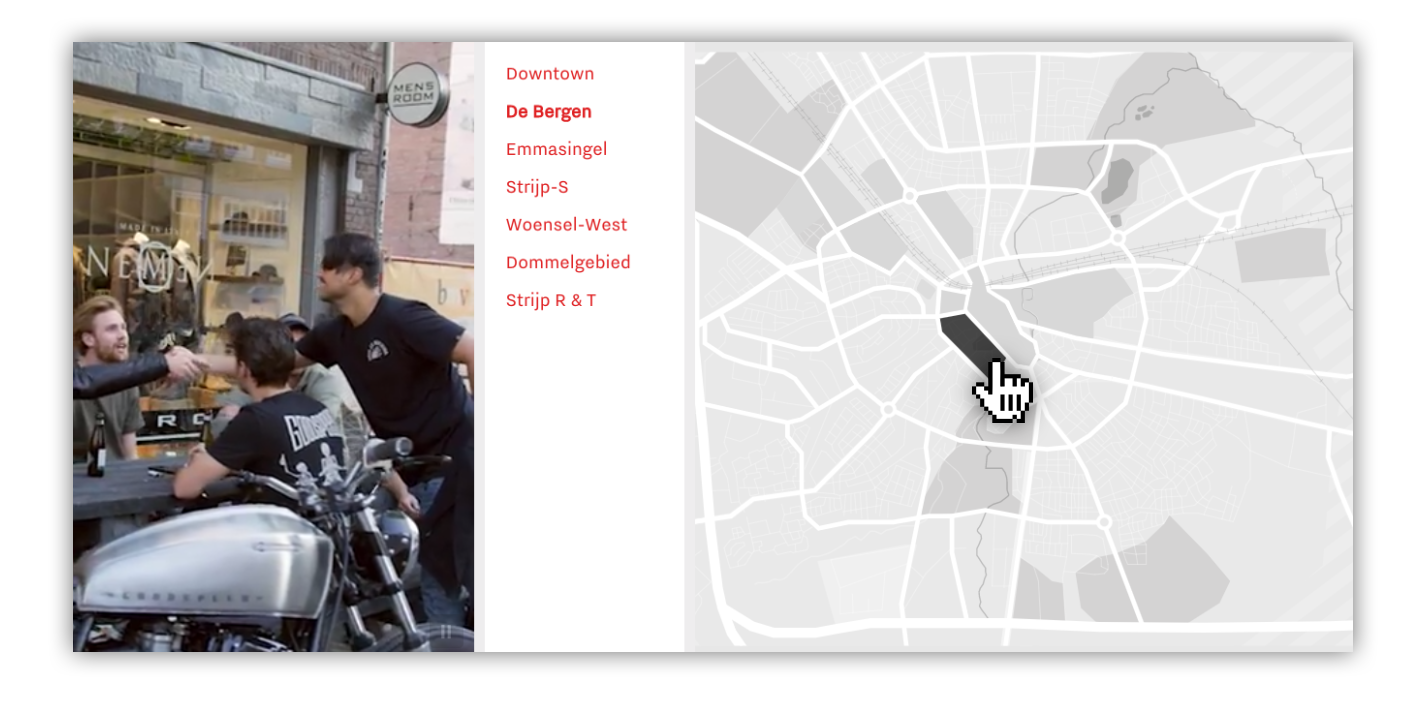
Example of the "Sense of Place" pagepart on thisiseindhoven.com__
Using the "Sense of Place" page part, you can now easily offer a map to your visitors. Per district or area, you can show more information or tell about the unique character of the area.
Add "Sense of Place" to your website. You will help your visitors.
- Show where your destination is by means of a map (this can be on a global scale for foreign guests).
- Showcase the "known" surrounding cities (useful for both domestic and foreign guests). This can make a day out even more fun, with interesting activities in the immediate vicinity.
- Gain insight into "how long" it takes to reach your destination.
- Use the "Sense of Place" pagepart to map neighbourhoods and areas and tell more about their uniqueness.