
From an AI challenge to the Plaece approach
On 25 June 2026, colleagues from various DMOs across the country came together online for ‘plaece the meet-up’. Due to the extreme heat, the meeting did not take place in person in ’s-Hertogenbosch this time, but was held online in a shortened format. In this recap, you’ll find a summary of the latest developments, inspiring case studies and smart innovations within the Destination Intelligence Platform, plaece.

New features and page parts - Helping visitors more quickly at the right time.
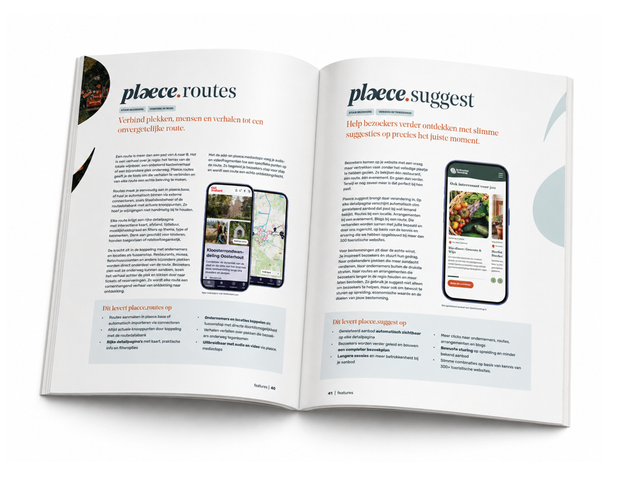
During ‘plaece the meet-up’, we presented the latest features and page parts within plaece. The common thread: how can we make it even easier for visitors to find the right information quickly, and how can we ensure maximum discoverability in AI and search engines?
After all, visitors don’t want to spend ages searching. Especially when they’re already there, they want to get on with things quickly. What’s on today? What’s open? What’s the weather like? Which route can I still set off on now? And where can I find practical information without having to click through loads of pages?
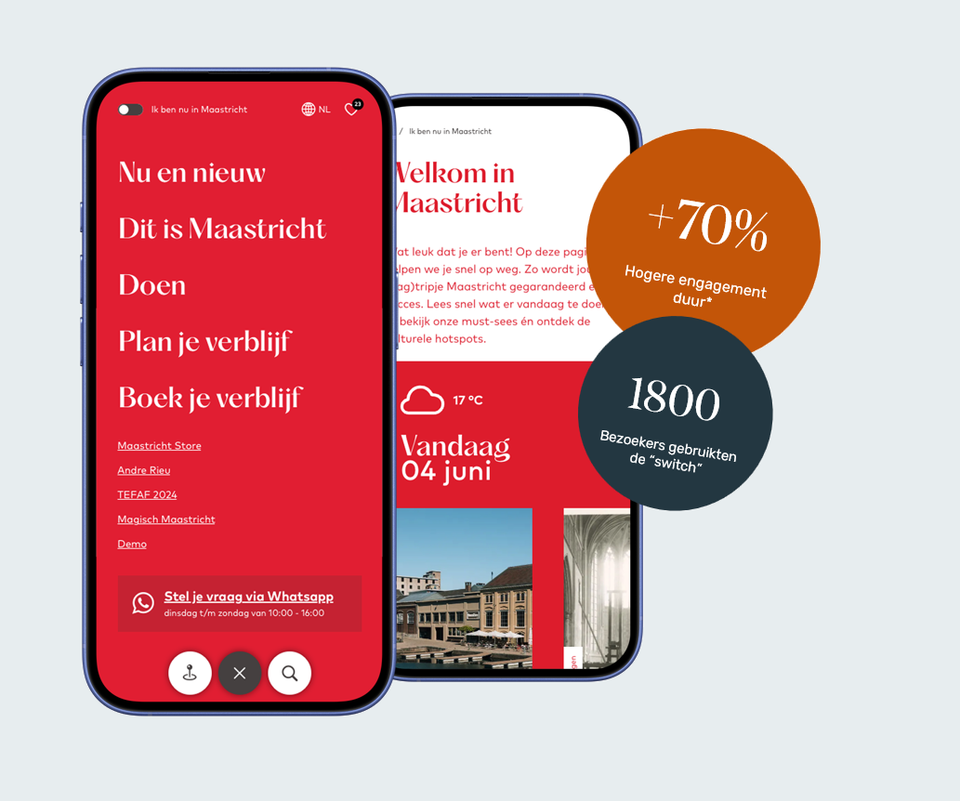
plaece.switch
With plaece.switch, you’re addressing precisely that need. The switch acts as a smart shortcut within the website. It can appear, for example, as a slider in the header, but also in other places where you want to provide visitors with a quick and clear entry point. With a single click, they are taken to a dedicated page featuring up-to-date and relevant information.
You can populate that page with page parts, features, up-to-date data and external feeds. This way, you’re not just creating a standard page, but a handy starting point for right now. For visitors, it feels simple and intuitive. Everything is ready in one place, with no need to search or get lost. For your organisation, this means better service, more interaction and higher conversion rates.
plaece.timeline and plaece.menubuilder
Plaece.timeline was also highlighted. This page component allows you to present stories chronologically and visually. This is particularly valuable for topics where history, context and experience are important. A fine example is the timeline for the Dutch Water Lines, which recounts the development of the line step by step. In this way, heritage is not merely described, but truly constructed as a narrative.
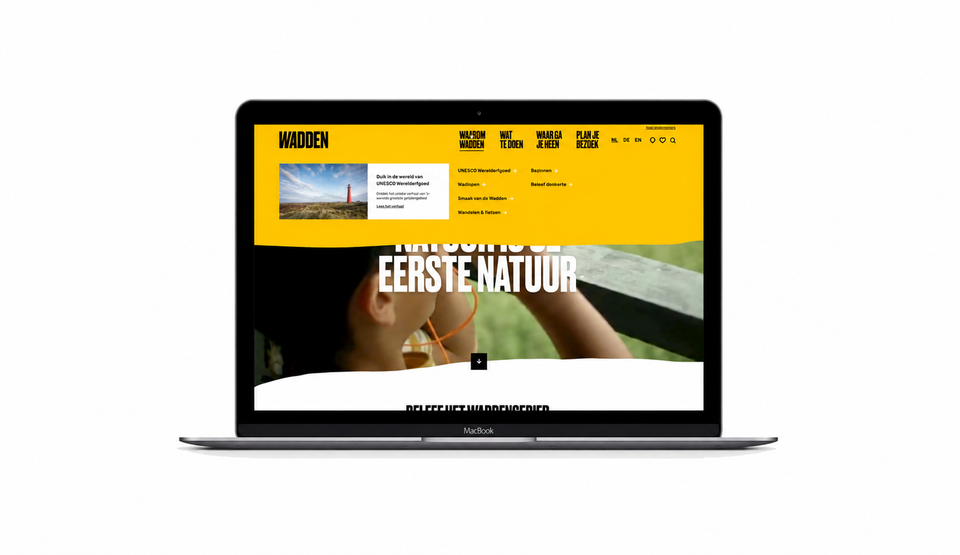
We also presented plaece.menubuilder. Many destination websites contain a wealth of content: pages, routes, themes, campaigns and practical information. The menu builder allows you to organise this information more effectively and also add an editorial highlight to the menu.
Other developments
In addition to these three components, other developments were also highlighted, such as structured data, data visualisations, measuring route downloads, improved social media embeds, feeds, API integrations and web scrapers. Together, these components help to make websites more up-to-date, richer in content and smarter in design.
A great next step is the smart bundles. These are combinations of features and page parts centred around a specific goal or target audience. Don’t start with individual features; instead, begin by asking: what do you want to achieve? Do you want to spread visitor numbers more evenly? Tell heritage stories more effectively? Organise editorial work more efficiently? Present routes more effectively? Or use AI to enhance your website and content? Then you’ll see more quickly which combination of components is right for you.
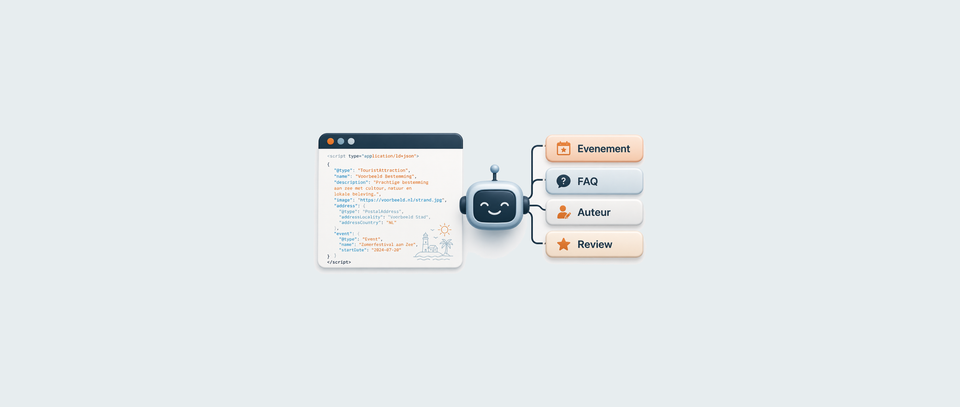
The new enhancements help organisations use content and data more effectively: making it more visible to visitors, more easily measurable for administrators and easier to keep up to date.
Ruben Haverkamp, Insiders
-
Would you like to receive the Plaece brochure for 2026–2027?

From detail pages to answer pages
The detail page booster
A major opportunity for destination websites lies in improving the detail pages for local businesses, such as restaurants, hotels, attractions, routes and event venues. These pages often already contain valuable content, but increasingly need to function as ‘answer pages’: pages that not only describe what something is, but also provide answers to visitors’ specific questions. Think of questions such as: is this place suitable for children, what can you do in bad weather, or which venue is best for a romantic weekend? By structuring detail pages more clearly, aligning them better with search intent and adding more specific context, they become more valuable to visitors and easier for AI search engines to understand.
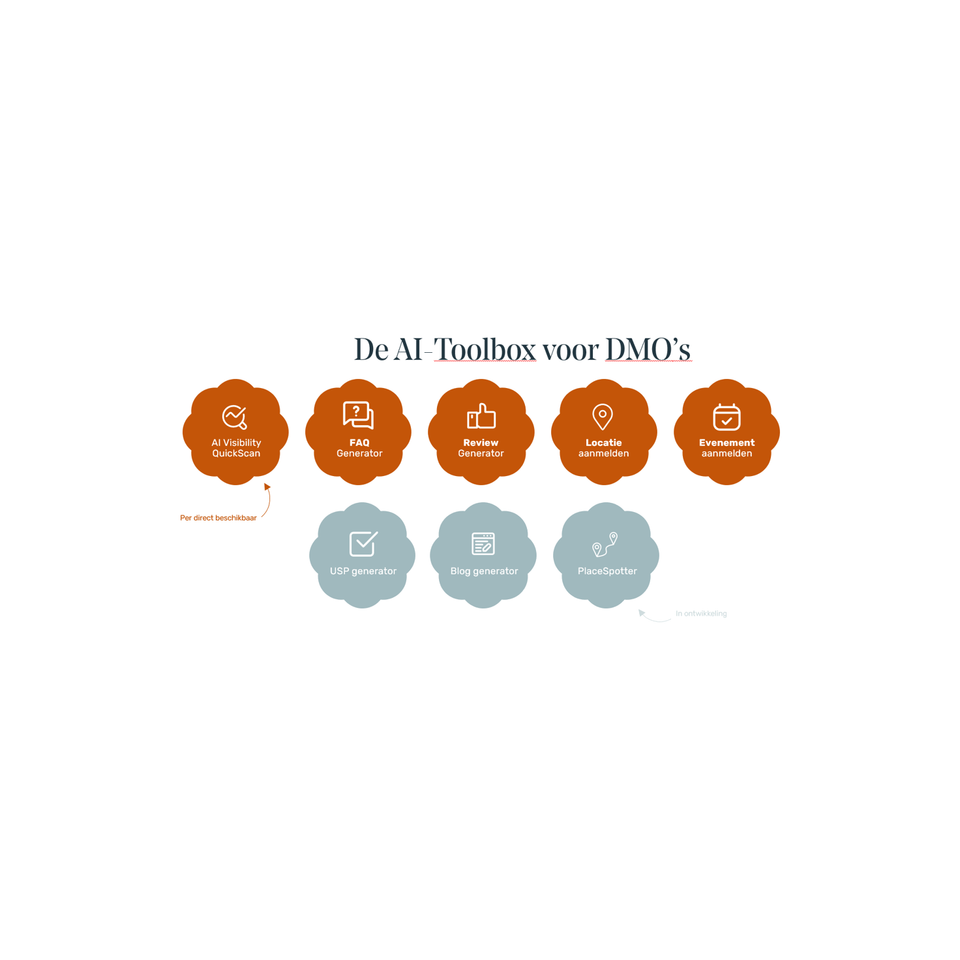
The AI Toolbox for DMOs
With the Detail Page Booster and the AI Toolbox, you can enrich these pages in a targeted way. New features such as USPs, reviews and FAQs help to highlight unique value, experiences and practical answers more effectively. The AI Toolbox supports editorial teams in this with features such as an EEAT QuickScan, the generation of FAQs and reviews, and the submission of new locations or events. This speeds up editorial work and creates richer content that better aligns with changing search behaviour, delivers greater AI visibility and enhances the visitor experience.